Compounding Knowledge Explained Simply: Why Learning Gets More Valuable Over Time
What Is It?
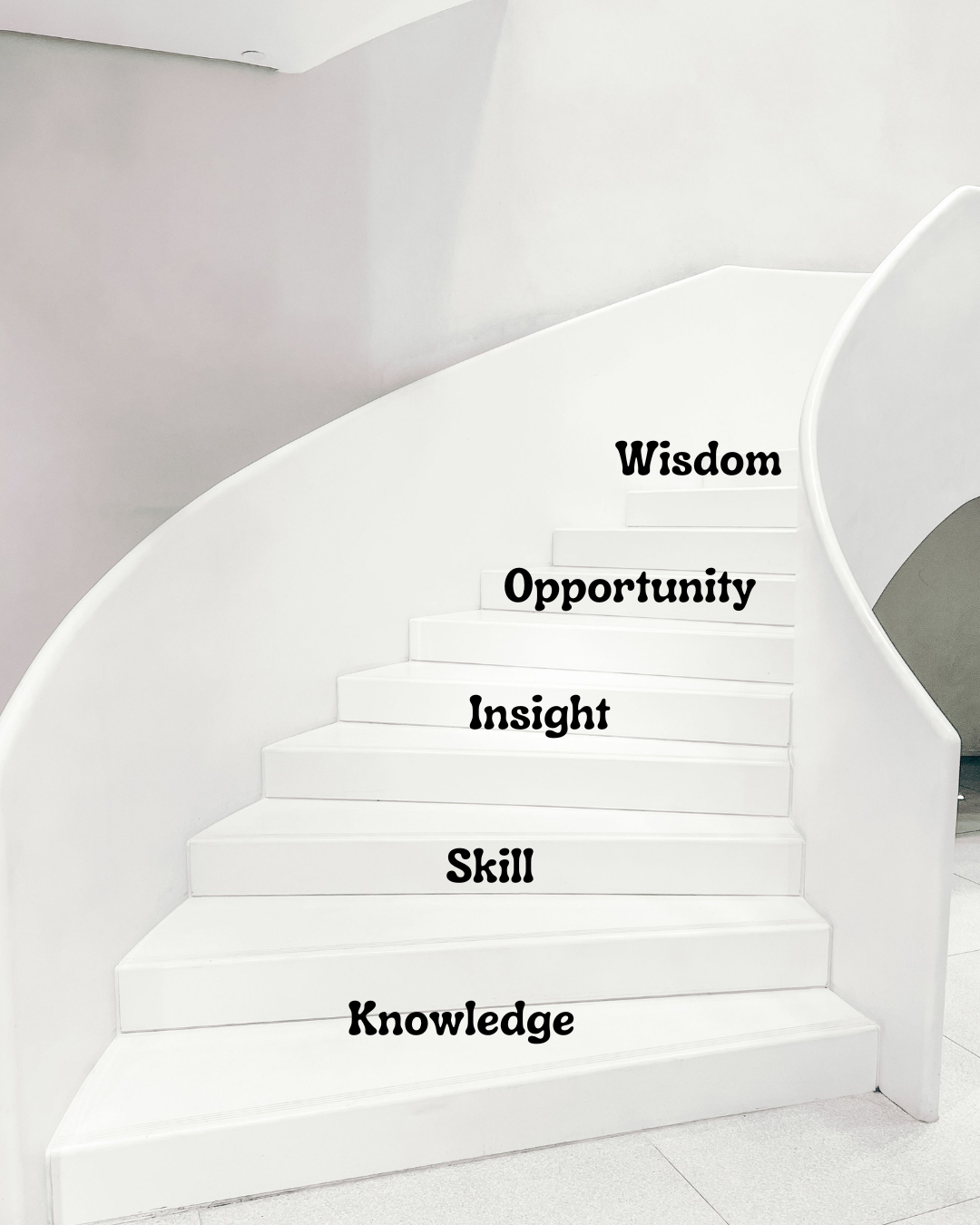
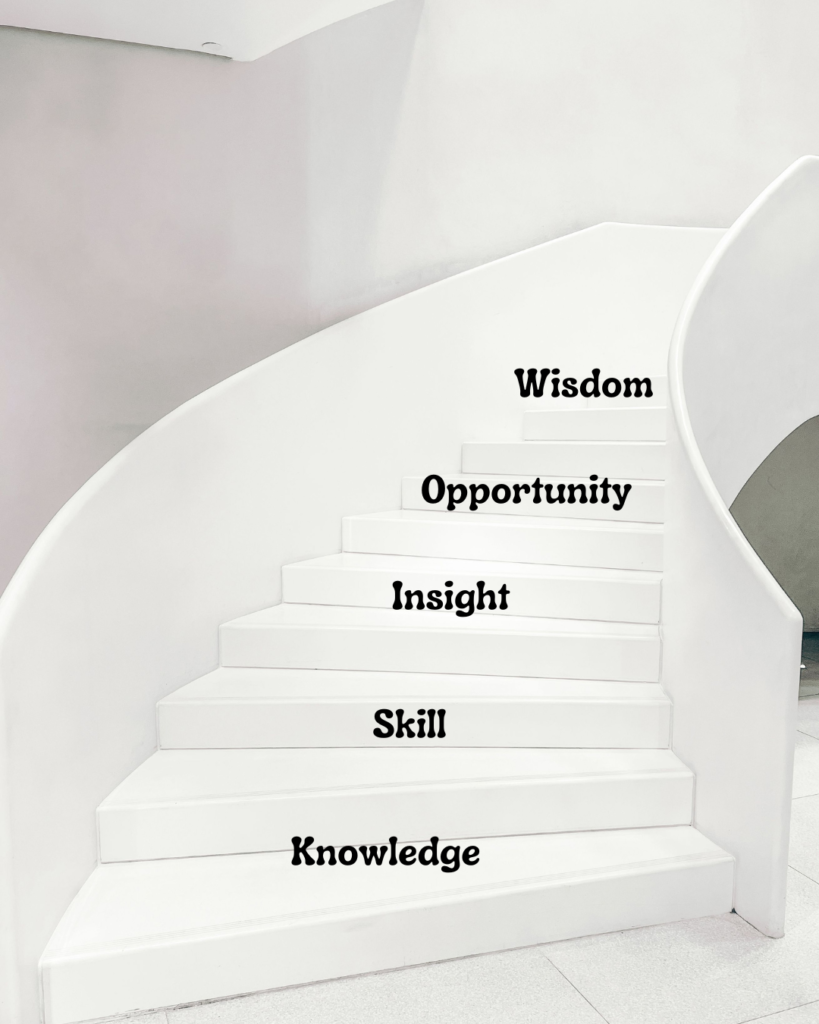
Compounding Knowledge is the idea that learning creates exponential returns because new knowledge builds upon old knowledge.
Knowledge rarely exists in isolation.
One idea connects to another.
One skill unlocks another.
One book makes the next book easier to understand.
Over time, learning accelerates. The more you know, the easier it becomes to learn even more.
The Mental Model
Knowledge behaves much like money. Money earns interest, then that interest earns more interest.
Knowledge works similarly. You learn something, that knowledge helps you understand something else. The new understanding creates further insights. The process repeats, eventually, growth becomes exponential.
Why It Matters
Most people expect immediate results from learning.
They read one book and expect transformation.
They learn a skill for two weeks and expect mastery.
Then they quit.
What they don’t realize is that learning often follows this pattern:
Slow.
Slow.
Slow.
Then suddenly very fast.
The biggest rewards usually arrive after years of accumulation.
Example – Imagine two people.
Person A – Reads ten books this year, then stops learning.
Person B – Reads just one book every month, studies consistently and keeps learning for ten years.
Who wins?
Almost always Person B. This is because their knowledge compounds. Ideas connect, skills reinforce each other and their thinking becomes deeper and more valuable over time.
Why Knowledge Compounds
Knowledge compounds because every new idea creates:
New connections;
Better judgment;
Faster learning;
Improved pattern recognition; and
Greater creativity.
The more dots you have, the more dots you can connect.
Charlie Munger’s Observation
Investor and thinker Charlie Munger famously said:
“I constantly see people rise in life who are not the smartest, but they are learning machines.”
This is compounding knowledge in action. The advantage comes from learning continuously, not from knowing everything immediately.
The Hidden Superpower
Knowledge is one of the few assets nobody can take away from you.
Markets crash, jobs change, technology evolves, but knowledge stays with you and continues producing value. Every skill you acquire becomes part of your intellectual capital.
Knowledge Creates Opportunities
A person who knows:
- Psychology
- Writing
- Technology
- Business
Can combine these skills in ways most people cannot. This often leads to:
- Better careers
- Better decisions
- Better ideas
- Greater creativity
Knowledge compounds because different disciplines reinforce each other.
The Multiplication Effect
Learning isn’t simply: 1 + 1 + 1 = 3.
It often becomes: 1 × 1 × 1 = exponential growth.
A single idea can transform everything you already know.
Example: Learn Briefly
Learning about:
- Incentives
- Social Proof
- First Principles
- Systems Thinking
Doesn’t give you four separate ideas, it gives you a new way of seeing the world. The models start interacting with each other, that’s knowledge compounding.
Why Most People Never Experience It
This is because they quit too early.
Compounding requires patience, most people stop learning right before the returns become meaningful.
The Knowledge Curve
Imagine planting a tree, for years, growth seems slow. Then one day it becomes enormous. Learning works the same way, years of invisible effort suddenly produce visible results.
How To Apply It
1. Read Every Day
Even:
10 pages.
15 minutes.
One article.
Small efforts compound.
2. Learn Across Different Fields
Study:
- Psychology
- Business
- History
- Economics
- Science
- Philosophy
The intersections create powerful insights.
3. Revisit Old Ideas
Read books twice.
Take notes.
Review mental models.
Understanding compounds too.
4. Teach What You Learn
Teaching forces deeper understanding. Explaining ideas strengthens memory and reveals gaps.
5. Stay Curious
Curiosity is the engine of compounding knowledge. The more questions you ask, the more opportunities for learning emerge.
Common Mistakes
Chasing Information Instead of Understanding
Collecting facts isn’t enough, knowledge compounds through understanding.
Reading Without Application
Ideas become valuable when used. Application accelerates learning.
Only Studying One Field
Specialization is useful, but combining disciplines often creates extraordinary insights.
Looking for Quick Results
Knowledge compounds slowly, so patience is essential.
Believing You’re Finished Learning
The moment you stop learning, compounding slows down.
The Power of Interdisciplinary Learning
Some of history’s most successful people borrowed ideas from multiple disciplines.
A psychologist who understands business.
A programmer who understands design.
A writer who understands history.
These combinations create unique advantages.
Knowledge Is an Investment
Money invested today grows tomorrow. Learning invested today grows for decades.
The book you read today may influence:
- A future career decision
- A business idea
- A relationship
- An opportunity you cannot yet see.
Related Mental Models
Opportunity Cost – https://learnbriefly.com/opportunity-cost-explained-why-every-decision-has-a-hidden-price/
Compounding – https://learnbriefly.com/compounding-explained-why-small-actions-create-extraordinary-results/
First Principles Thinking – https://learnbriefly.com/first-principles-thinking-explained-how-to-think-from-the-ground-up/
Circle of Competence – https://learnbriefly.com/circle-of-competence-explained-know-what-you-know-and-what-you-dont/
Systems Thinking – https://learnbriefly.com/systems-thinking-explained-why-everything-is-more-connected-than-you-think/
Habit Formation – https://learnbriefly.com/habit-formation-explained-simply-why-small-actions-shape-your-entire-life/
Real-Life Applications
1. Building a Career
Every skill you learn increases your value.
Writing.
Public speaking.
Negotiation.
Technology.
Over time these skills reinforce each other.
2. Starting a Business
Business owners who understand:
- Marketing
- Psychology
- Finance
- Human behavior
Have significant advantages. Knowledge compounds into better decisions.
3. Parenting
Learning about:
- Communication
- Child psychology
- Emotional intelligence
Can transform relationships with children.
4. Investing
Many great investors spend much of their time reading.
Why?
Because knowledge compounds into better judgment.
5. Building Relationships
The more you understand people:
- Incentives
- Biases
- Social dynamics
The better your relationships become.
Reflection Questions
- What knowledge could become incredibly valuable if I studied it consistently?
- Which fields should I combine?
- Have I quit learning too early in the past?
- What small learning habit can I commit to today?
One Sentence To Remember
The more you learn, the easier it becomes to learn, and the more valuable your knowledge becomes.
Final Thought
Most people underestimate what ten years of consistent learning can do.
A single book changes little, but a hundred books can change everything.
A single article teaches one idea, but thousands of ideas can change the way you see the world.
Compounding Knowledge reminds us that every page read, every skill learned, and every question explored is an investment in our future selves.
Continue Learning
If you enjoyed this mental model, you may also like:
- Compounding
- Habit Formation
- Systems Thinking
- Circle of Competence
- First Principles Thinking
And if you’d like one powerful mental model delivered to your inbox each day:
Join the 15 Mental Models in 15 Days free email course and start upgrading the way you think...https://learnbriefly.com/15-mental-models-in-15-days/